Answer:
Synchronization:
Synchronization is the process of allowing threads to execute one after another. It provides the control to access multiple threads to shared resources. When we want to allow one thread to access the shared resource, then synchronization is the better option.
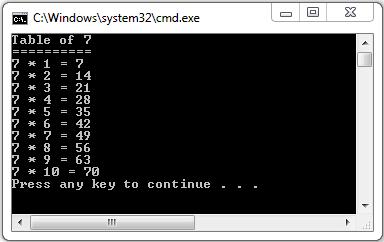
In this example, the synchronized block prevents to create the random thread. The threads are executed sequentially.
SynchTest.java
class SynchTest
{
void printNumber(int n)
{
synchronized(this)
{
System.out.println("Table of "+n);
System.out.println("==========");
for(int i=1;i<=10;i++)
{
System.out.println(n+" * "+i+" = "+(n*i));
try
{
Thread.sleep(400);
}
catch(Exception e)
{
System.out.println(e);
}
}
}
}
}
MyThread1.java
class MyThread1 extends Thread
{
SynchTest t;
MyThread1(SynchTest t)
{
this.t=t;
}
public void run()
{
t.printNumber(7);
}
}
SynchronizedBlock.java
public class SynchronizedBlock
{
public static void main(String args[])
{
SynchTest obj = new SynchTest();
MyThread1 t1=new MyThread1(obj);
t1.start();
}
}
Output: